




By Captain CoCo
These days, one phrase is repeatedly heard in political speeches, television discussions, government programs, and public forums in Sri Lanka — “social capital.” Politicians use the term proudly, as if they are protecting some great national treasure. To many ordinary people, the phrase sounds intelligent and meaningful.

But the real question is this: Do our politicians truly understand social capital, or are they simply using the term to hide the same old corruption under a new label?
The bitter truth is that many Sri Lankan politicians today speak about “social capital” while destroying the very foundation of it.
Real social capital is not money, luxury buildings, foreign loans, or political power. Social capital means trust between people. It means honesty, fairness, accountability, and social responsibility. It is the confidence people have in their leaders, institutions, and systems. A country with strong social capital is one where citizens believe the law is fair, public money is protected, and leaders genuinely serve the people.
But can anyone honestly say Sri Lanka has moved in that direction?
Today, many politicians speak emotionally about rebuilding the country while the public continues to suffer from corruption, waste, political deals, and misuse of public resources. The same leaders who talk about ethics and social values are often surrounded by allegations of black money, hidden assets, commissions, and abuse of power. Yet they continue speaking about “social capital” as if repeating the phrase itself can wash away public anger.
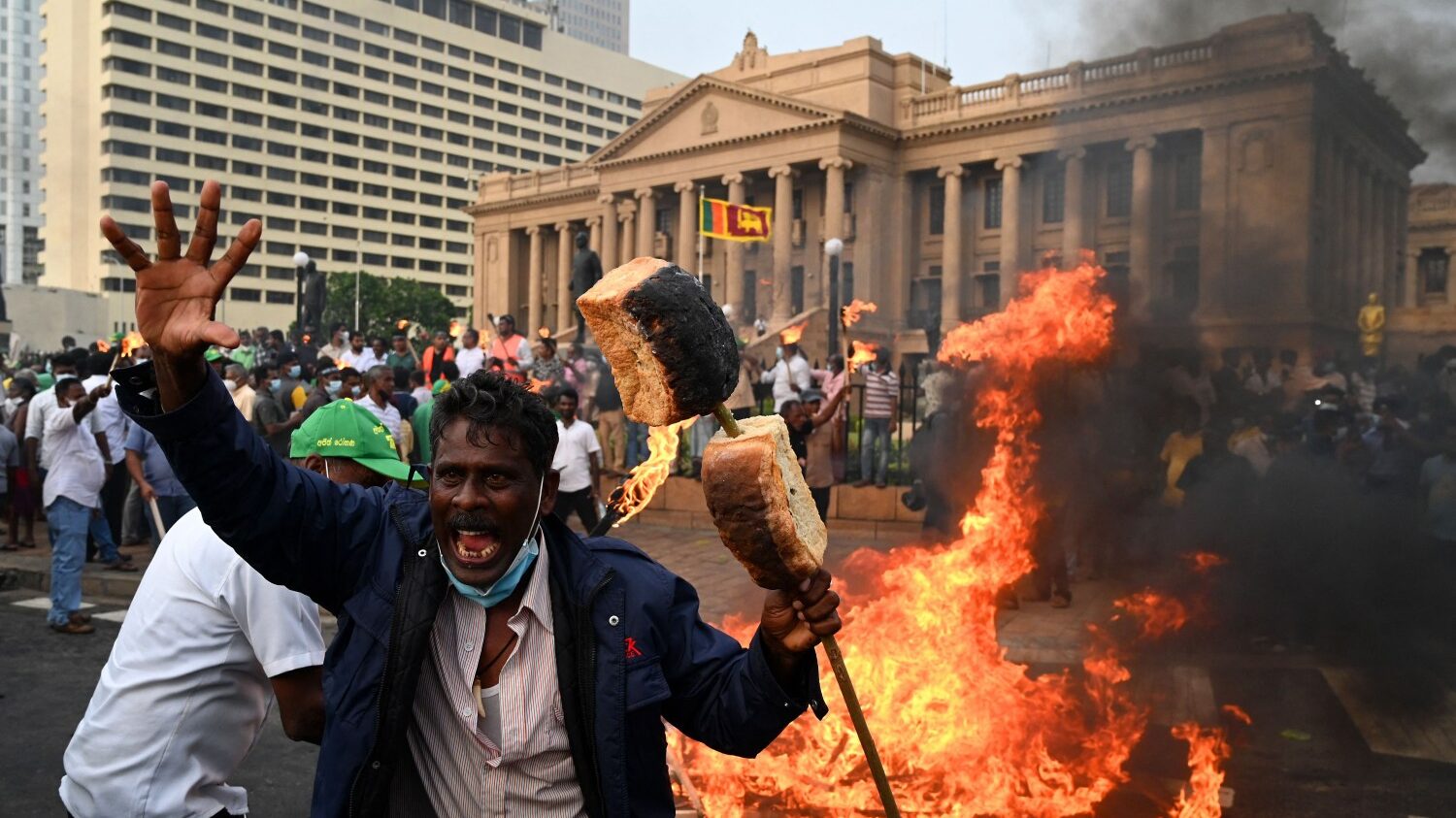
This is what frustrates ordinary citizens.
People are no longer blind. They have seen too much over the years. They have seen politicians becoming millionaires while the country falls deeper into debt. They have watched public funds disappear while citizens struggle with taxes, rising prices, electricity bills, and unemployment. They have heard endless speeches about discipline and morality from leaders who themselves rarely practise either.
In today’s Sri Lanka, “social capital” is slowly becoming another political slogan used to cover uncomfortable truths.
Instead of solving corruption, some politicians simply change the language. Yesterday it was “development.” Today it is “social capital.” Tomorrow it may be another fashionable term. But behind the polished speeches, the same political culture continues – favouritism, secret deals, misuse of state resources, and protection of powerful individuals.
The public sees this clearly.
This is why trust in politics has collapsed so badly in Sri Lanka. Citizens feel that there are two separate worlds in the country – one for ordinary people and another for politicians. Laws apply strictly to the public, but differently to those with power and connections. Small business owners are questioned about taxes while large-scale financial corruption often disappears into silence. Ordinary citizens are asked to sacrifice for the nation while some politicians continue living comfortably without accountability. And then these same leaders speak about protecting “social capital.”
The irony is painful.
Real social capital cannot exist in a society where corruption is normalised. Trust cannot grow when people believe public money is being stolen. Young people cannot respect institutions when they see political appointments replacing merit and professionalism. Citizens cannot develop social responsibility while leaders continue setting poor examples from the top.
In fact, corruption destroys social capital faster than economic crises themselves.
When people lose trust in leadership, they slowly lose trust in the entire system. They stop believing promises. They avoid following rules. They question whether honesty has any value at all. This creates a dangerous culture where survival becomes more important than ethics.
Sri Lanka is already facing this problem.
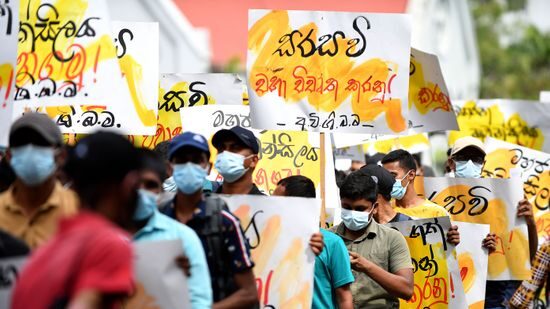
Many educated young people no longer believe hard work alone can build a future here. Some leave the country not only because of economic hardship, but because they feel the system itself is unfair. They see politics rewarding loyalty instead of competence. They see public institutions weakened by political influence. They see leaders speaking about morality while protecting corruption behind closed doors.
This is not how social capital is built.
This is how social capital is destroyed.
What makes the situation worse is the growing use of emotional public campaigns to distract citizens from deeper governance failures. Whenever criticism increases, politicians suddenly begin talking about patriotism, discipline, social unity, or moral responsibility. These ideas are important, but they lose meaning when they are used selectively while corruption and waste continue untouched.
People do not want more speeches. They want honesty. They want leaders who practise the values they preach. They want transparency about public money. They want fair law enforcement. They want accountability regardless of political status. Most importantly, they want a political culture that respects the intelligence of ordinary citizens instead of constantly trying to emotionally manipulate them.
Sri Lanka does not lack social capital among ordinary people. During crises, people still help neighbours, support families, donate during disasters, and care for communities. The true social strength of this country still exists among the public. The tragedy is that politics continuously weakens that trust through dishonesty and abuse of power.
A nation cannot build social capital while hiding black money behind beautiful speeches.
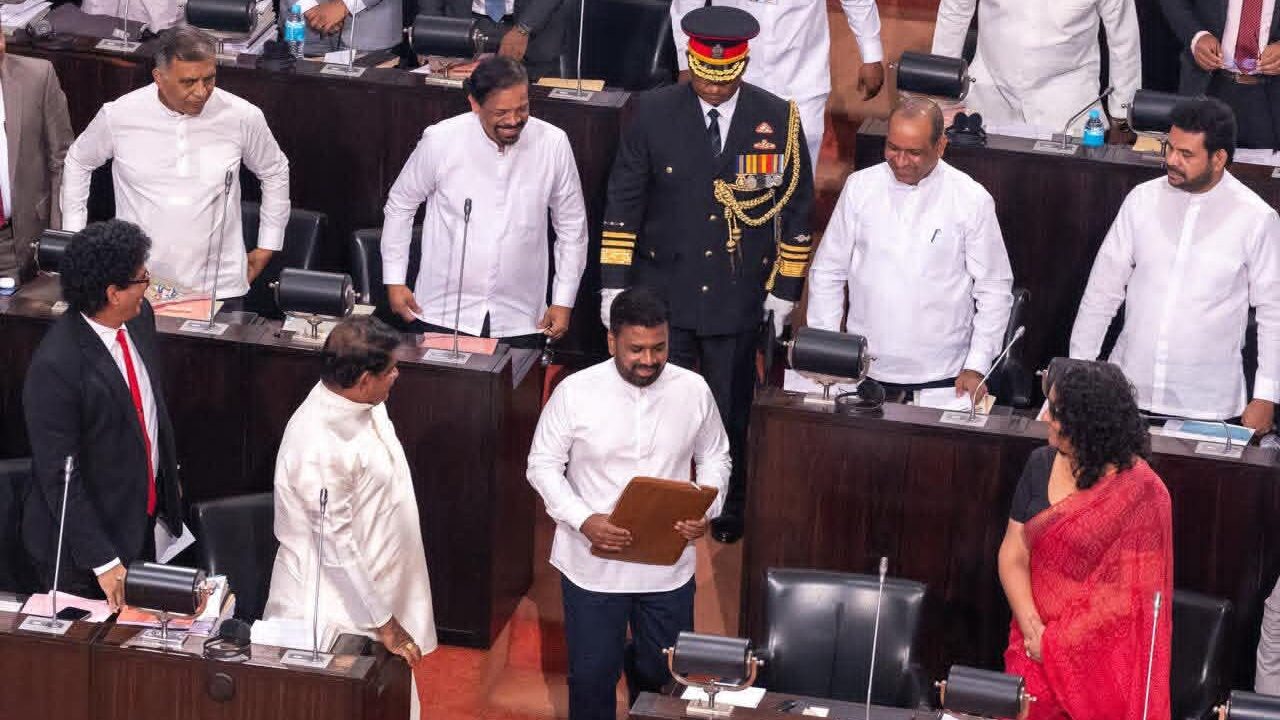
Real social capital begins when leaders are transparent about their wealth, accountable for their actions, respectful of public funds, and willing to face the same laws as ordinary citizens. Until then, the repeated use of the term “social capital” will sound less like genuine leadership and more like another carefully designed political mask.
The people of Sri Lanka deserve more than slogans.
They deserve truth.