




The recent volatility in Sri Lanka’s currency market has placed the Central Bank of Sri Lanka under intense pressure as policymakers attempt to prevent another destabilizing depreciation of the rupee. Although the currency regained some ground after intervention by the regulator, economists warn that deeper structural weaknesses continue to threaten the country’s fragile economic recovery.
During the past week, the rupee suffered sharp losses against the US dollar before recovering modestly after the Central Bank intervened to calm market fears. The currency weakened from around Rs. 321.90/326.00 last week to as low as Rs. 331/348 before strengthening to Rs. 329/335 on Saturday 23.
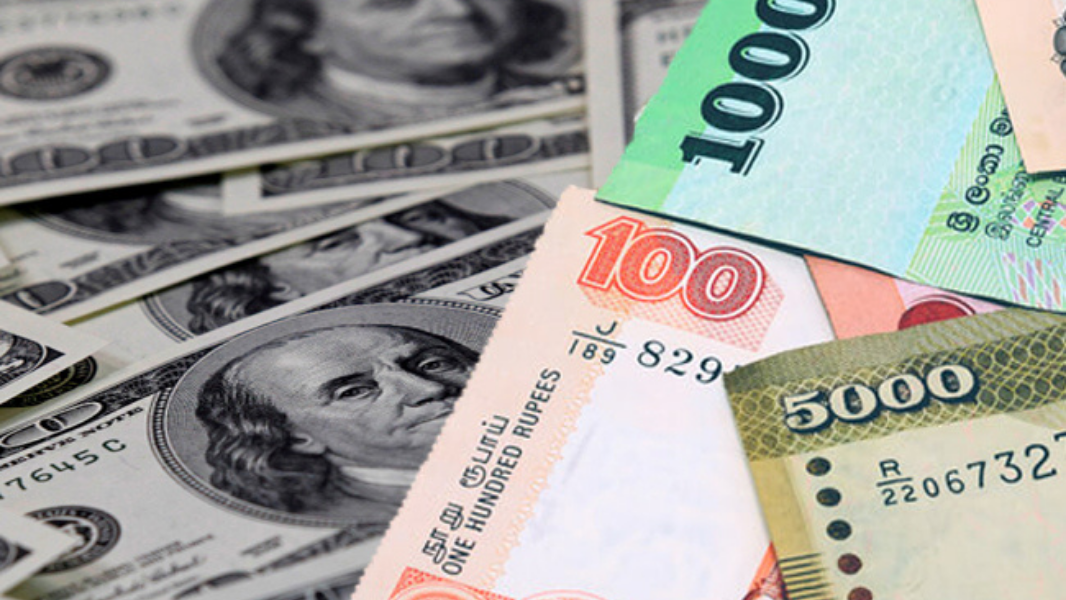
The sudden depreciation reflected growing uncertainty in the foreign exchange market, driven largely by speculative demand for dollars and concerns over external economic shocks. Importers accelerated purchases of foreign currency, fearing the rupee would continue to decline amid rising global energy prices and escalating tensions in the Middle East.
At the same time, exporters delayed converting export proceeds into local currency while waiting for more favorable exchange rates. This reduced the supply of dollars in the domestic market and intensified pressure on the rupee, creating a cycle of panic and instability.
Foreign exchange dealers indicated that the Central Bank responded swiftly by meeting banking executives and currency dealers to address growing concerns. Authorities also reportedly imposed an informal cap on the interbank dollar rate and are considering shortening the export conversion deadline from 90 days to 30 days to improve market liquidity.
These measures helped ease immediate pressure on the currency, but analysts argue that temporary interventions alone will not solve Sri Lanka’s long-term exchange rate vulnerabilities. The economy remains heavily dependent on imports, particularly fuel and essential goods, making the rupee highly sensitive to global price shocks and shifts in investor sentiment.
A weaker rupee also carries serious economic consequences for ordinary citizens. Currency depreciation increases the cost of imports, fuels inflation, raises transportation and electricity costs, and reduces household purchasing power. Businesses dependent on imported raw materials also face rising production expenses, which can slow economic activity and investment.
The International Monetary Fund has maintained that Sri Lanka is now in a stronger position than during previous crises due to improved reserves and ongoing reforms. IMF Mission Chief Evan Papageorgiou recently emphasized the importance of policy consistency and maintaining reform momentum to withstand global pressures.
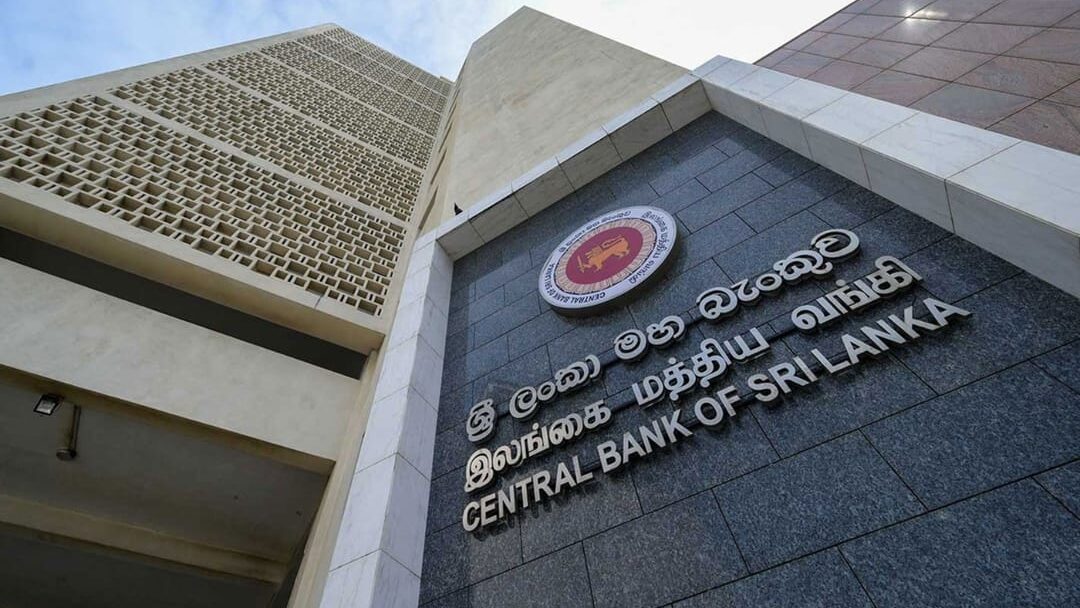
Nevertheless, the Central Bank now faces the difficult task of balancing exchange rate stability with market flexibility. Excessive intervention could weaken reserves, while allowing uncontrolled depreciation could reignite inflation and damage public confidence.
To maintain stability, policymakers must strengthen reserve management, improve transparency in currency operations, and ensure faster dollar inflows from exports and tourism. Clear communication from the Central Bank will also be essential to reduce speculation and restore confidence among businesses and investors.
Sri Lanka’s latest currency turmoil highlights how quickly market fears can disrupt economic recovery. Unless authorities implement disciplined and proactive measures, continued pressure on the rupee could once again place the country’s fragile economy at serious risk.
By a Special Correspondent