




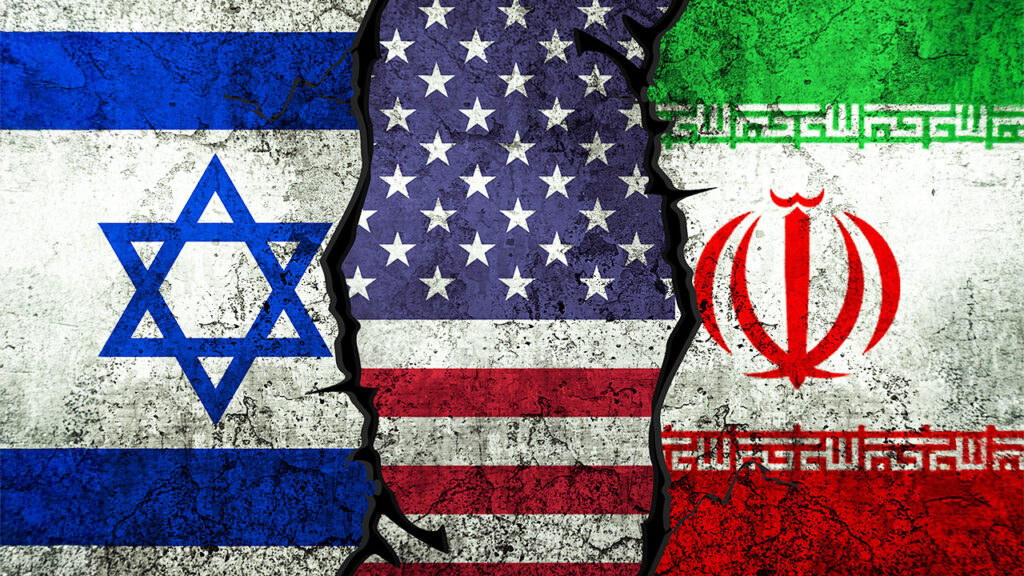
Sri Lanka’s tourism industry, which entered 2026 with hopes of a historic recovery, is now facing mounting pressure from the escalating US-Iran conflict and the resulting instability across the Gulf region. Rising fuel prices, disrupted airline routes, declining tourist spending, and weakened consumer confidence are threatening Colombo’s ambitious target of attracting three million visitors this year.
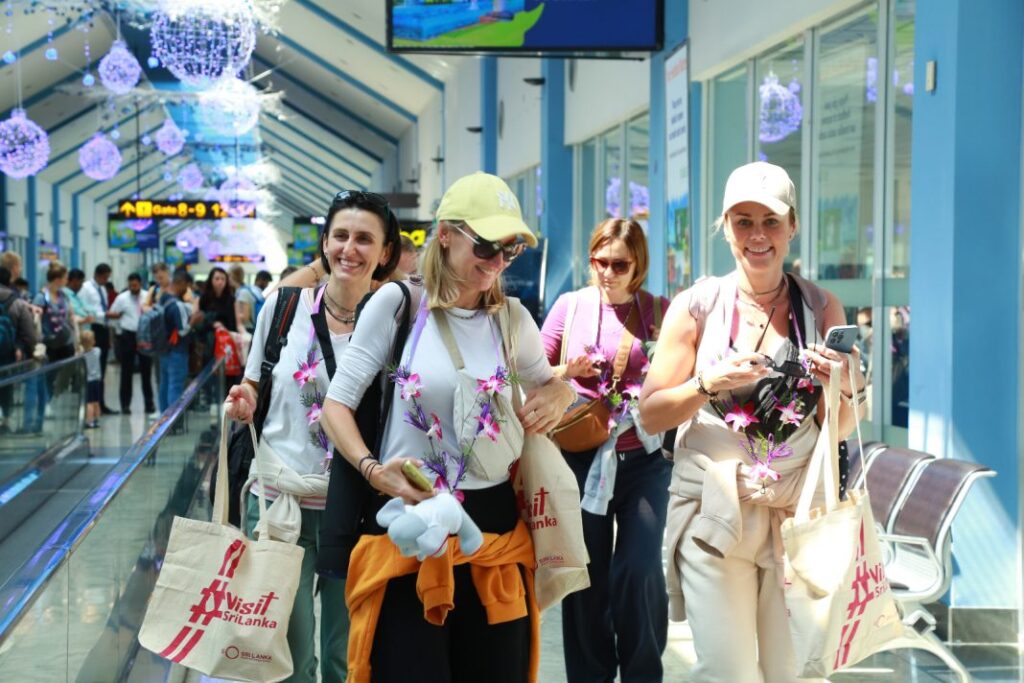
Official data from the Sri Lanka Tourism Development Authority (SLTDA) show that tourist arrivals crossed 922,000 by May 10, 2026. However, growth momentum has slowed sharply in recent months. April arrivals dropped by more than 22 percent year-on-year to 135,643, the weakest monthly performance of the year so far.
Industry analysts attribute the decline largely to geopolitical instability in the Middle East, a region critical to Sri Lanka’s aviation and tourism ecosystem. Most long-haul passengers travelling to Colombo rely on Gulf transit hubs operated by Emirates, Qatar Airways, and Etihad Airways. Flight disruptions and reduced frequencies following the escalation of the Iran crisis have directly affected inbound travel demand.
Tourism earnings are also weakening despite relatively strong arrival numbers. Central Bank figures show tourism revenue for January and February 2026 declined nearly five percent compared with the same period last year, reflecting lower spending per visitor. April earnings fell further to $157 million from $223 million in March.
The government’s target of three million arrivals now appears increasingly difficult. To reach that goal, Sri Lanka would need to attract more than 250,000 visitors monthly for the remainder of the year a pace last achieved before the Gulf conflict intensified.
Tourism leaders warn that Sri Lanka’s long-standing dependence on volume-based tourism is exposing structural weaknesses. At the Sancharaka Udawa 2026 tourism forum, global tourism experts argued that Sri Lanka must urgently shift from promoting arrival numbers to building a high-value tourism economy centred on curated experiences, wellness travel, eco-tourism, and cultural storytelling.
Minor Hotels CEO Dillip Rajakarier criticised the country’s continued obsession with tourist headcounts rather than revenue generation and premium visitor experiences. Branding strategist Shouvik Roy noted that although Sri Lanka offers beaches, wildlife, heritage, mountains, and tea tourism within a compact geography, the country still lacks a globally recognisable tourism identity.
The Gulf crisis has amplified these vulnerabilities. Higher oil prices have increased airfares globally, while uncertainty surrounding energy supplies and currency fluctuations are making international travellers more cautious. Reuters recently reported that Sri Lanka’s tourism business had already slumped by nearly one-third following the escalation of the Iran conflict and soaring fuel costs.
Despite the challenges, India continues to provide a critical safety net for Sri Lanka’s tourism sector, contributing over 200,000 visitors so far this year. China has also shown signs of recovery as a source market.
However, without aggressive destination marketing, stronger airline connectivity, and a strategic pivot toward high-spending experiential tourism, analysts believe Sri Lanka may struggle to fully achieve its 2026 tourism ambitions amid one of the most uncertain global travel environments since the pandemic.
By a Special Correspondent