




Sri Lanka’s new Indian-funded digital identity project is facing mounting scrutiny amid legal disputes, allegations of procurement irregularities, and concerns over national data security involving 22 million citizens.
At the center of the controversy is the bidding process for the SL-UDI project’s Master Systems Integrator (MSI). While five Indian firms remain under evaluation, earlier reports indicated that six companies had been shortlisted as of March 13, 2026. Among them was reportedly a firm previously blacklisted during a former administration, raising questions about vetting standards.
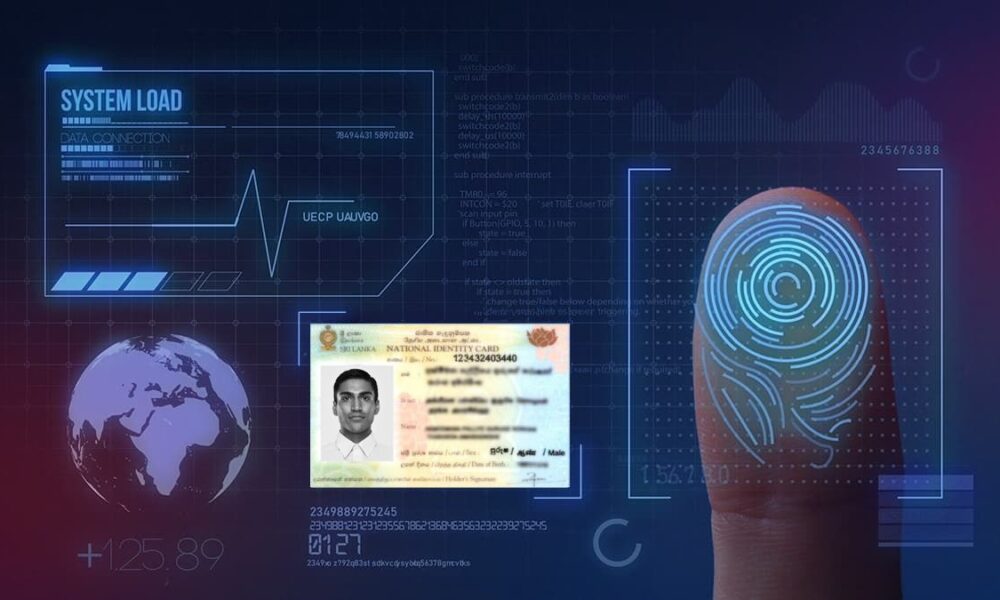
Though procurement records do not explicitly confirm the inclusion of Madras Security Printers (MSP), the company has become a focal point in the unfolding dispute. In March 2026, MSP filed a writ petition in the Madras High Court against the National Institute for Smart Government (NISG), challenging the rejection of its bid without explanation.
In a significant development, the Delhi High Court ruled on March 10, 2026, in favor of MSP, overturning its exclusion at the pre-qualification stage. The court found that NISG’s decision-making process was arbitrary, lacked transparency, and violated the tender’s stated criteria. This judgment has added complexity to the already contentious procurement process.
Domestically, political activists have raised alarms about the implications of awarding such a sensitive project to foreign entities. Wasantha Mudalige of the People’s Struggle Alliance has publicly accused the government of considering MSP for the contract despite its controversial track record. He highlighted concerns over national security, particularly the handling of biometric data belonging to Sri Lanka’s entire population.
Mudalige noted that MSP had previously been disqualified from a 2023 tender due to technical shortcomings and has faced scrutiny over security-related contracts in other countries. He has called on the government to clarify the criteria used in evaluating bidders and to address fears that foreign firms could gain undue control over critical digital infrastructure.
The SL-UDI initiative involves collecting and managing biometric data on an unprecedented scale, making data protection and sovereignty central issues. While the Memorandum of Understanding with India stipulates that a Sri Lankan MSP will ultimately manage operations, critics remain wary about the initial control exercised by foreign developers during implementation.
As legal proceedings continue and procurement decisions near conclusion, the project’s future remains uncertain. The outcome of the MSI selection and the handling of controversies surrounding it will likely shape public trust in Sri Lanka’s transition to a fully digital identity system.
By a Special Correspondent