




The USD 2.5 million cyber fraud within Sri Lanka’s Finance Ministry is no longer viewed as an isolated breach but as the result of deeper structural flaws ranging from politically influenced appointments to glaring IT and administrative failures. As multiple investigations unfold, a troubling picture of institutional fragility is emerging.
At the center of the controversy is the revelation that several officials tasked with managing external debt repayments lacked the necessary expertise for such high-stakes responsibilities. Allegations have surfaced that some of these appointments were influenced by political loyalty rather than merit, raising serious questions about governance standards within the Ministry.
These concerns have gained urgency following the death of interdicted official Ranga Rajapaksa, whose role in responding to the initial fraudulent email has drawn scrutiny. While investigators noted no prior corruption allegations against him, preliminary findings suggest negligence may have contributed to the initial transfer of funds to hacker-controlled accounts.
The fraud itself involved hackers intercepting official email communications and substituting legitimate bank details with fraudulent ones. Over a period of months, ten transactions totaling USD 2.5 million failed to reach their intended Australian recipient. A similar attempt targeting payments to India was narrowly prevented, exposing the broader scheme.
Yet cybersecurity experts point to more fundamental issues. The Ministry’s IT systems reportedly lacked robust safeguards such as multi-factor authentication and real-time verification protocols. Moreover, IT administration appears fragmented, with unclear lines of responsibility and insufficient monitoring of financial communication channels.
Compounding these technical shortcomings are deficiencies in communication and crisis management. Officials failed to promptly escalate concerns despite early warning signs, delaying corrective action. According to the Committee on Public Finance, Parliament was not informed in a timely manner, undermining oversight mechanisms.
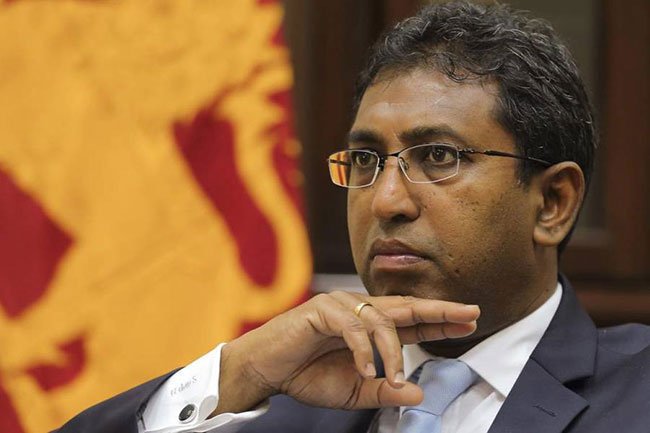
Harsha de Silva emphasized that such lapses indicate “serious process gaps,” particularly in how sensitive financial operations are supervised. The committee has demanded a comprehensive report within a month, warning that failure to recover the funds could shift the financial burden onto the public.
The situation has also drawn attention to the role of the IT Division, whose head is among those suspended. Investigators are examining whether inadequate training, outdated systems, or internal mismanagement contributed to the breach. Forensic analysis of seized computers is expected to provide further clarity.
Meanwhile, the involvement of international agencies, including Australian law enforcement, underscores the cross-border nature of the crime. Efforts are ongoing to trace the stolen funds and identify those responsible.
As Parliament prepares for a heated debate, with figures like Jagath Wickramaratne overseeing proceedings, the scandal is shaping into a broader indictment of how critical financial institutions are staffed and managed.
Ultimately, the crisis highlights a dangerous intersection of political influence, administrative inefficiency, and technological vulnerability one that has left the nation’s financial credibility exposed at a significant cost.
By a Special Correspondent