




Sri Lanka’s economic strategy in 2025 has been defined by a firm commitment to International Monetary Fund (IMF) targets alongside a renewed push to reform state-owned enterprises, with the restructuring of the Ceylon Electricity Board (CEB) emerging as a central priority.
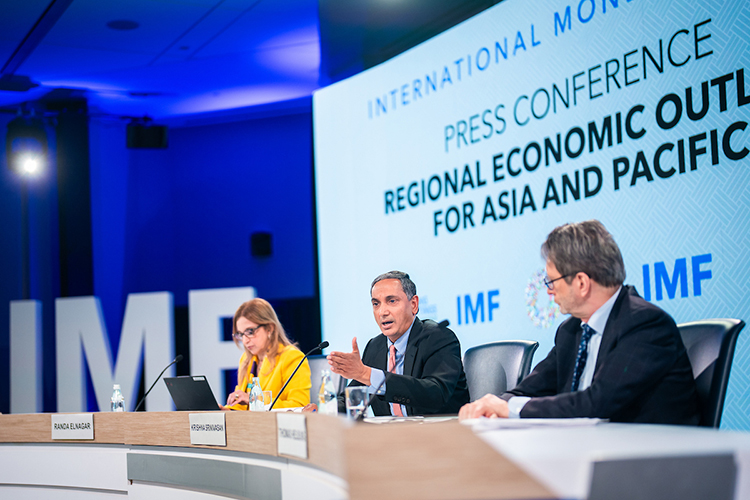
Treasury Secretary Dr. Harshana Suriyapperuma reaffirmed to International Sovereign Bond holders that the Government will strictly adhere to IMF program targets and governance commitments. Fiscal consolidation remains anchored to agreed primary surplus goals, while authorities aim to reduce the debt-to-GDP ratio to 95% by 2032 and maintain gross financing needs within prescribed limits.
A key component of this strategy is addressing inefficiencies in state enterprises. The planned unbundling of the CEB into separate entities for generation, transmission, distribution, and system operations is seen as a cornerstone reform. The move is intended to improve transparency, strengthen accountability, and reduce financial losses that have long burdened public finances.
Central to the reform agenda is the continuation of cost-reflective electricity pricing. Authorities have made clear that tariffs will be adjusted in line with actual production costs to eliminate quasi-fiscal losses. While such measures are often unpopular, policymakers argue they are essential for ensuring the sector’s financial viability.

The Government has also introduced a new electricity policy framework aimed at strengthening regulation, guiding investment, and promoting competition. These steps are expected to create a more efficient and investor-friendly energy market.
In parallel, Sri Lanka is accelerating its transition toward renewable energy. Investments in solar, wind, hydropower, and battery storage projects are gaining momentum, supported by international financing. These initiatives are designed to diversify the energy mix, reduce dependence on imported fuel, and enhance resilience to climate-related shocks.
However, balancing reform with social and economic realities remains a challenge. Tariff increases can place additional pressure on households and businesses already adjusting to broader fiscal tightening.
Despite these constraints, officials insist that maintaining momentum on IMF-backed reforms is critical. By combining fiscal discipline with structural transformation in the energy sector, the Government aims to lay the foundation for long-term economic stability and sustainable growth.