




Sri Lanka’s latest agreement with the International Monetary Fund underscores both progress and persistent vulnerability, as the country works toward securing two funding tranches worth roughly $700 million under its Extended Fund Facility program. The deal, however, comes with stringent conditions that are shaping the trajectory of economic policy.
Since entering the IMF program, Sri Lanka has posted measurable gains. Economic growth rebounded to 5% in 2025, inflation stabilised after a prolonged crisis, and foreign reserves climbed to $7 billion by early 2026. These indicators suggest a country gradually emerging from financial distress, supported by stronger fiscal revenues and early success in debt restructuring efforts.
But the IMF’s assessment reveals a more complex picture. External shocks—particularly those linked to instability in the Middle East—continue to ripple through the economy. Higher fuel costs, declining tourist arrivals, and disruptions to remittance flows highlight Sri Lanka’s exposure to global volatility. Meanwhile, domestic challenges such as disaster recovery following Cyclone Ditwah are stretching already constrained fiscal resources.
To address these pressures, the IMF has called for sustained fiscal consolidation. This includes improving tax administration, broadening revenue streams, and ensuring disciplined government spending. While recent gains in tax collection are encouraging, they remain insufficient to fully stabilise public finances without deeper structural changes.
One of the most contentious requirements is the enforcement of cost-recovery pricing in the energy sector. Although economically justified, such measures risk intensifying public dissatisfaction, particularly if not paired with effective social protection. The IMF has therefore urged the Government to enhance welfare targeting and expand safety nets to shield the most vulnerable populations.
Monetary and financial sector policies are also under scrutiny. The IMF has emphasised the need to protect the independence of the Central Bank of Sri Lanka, avoid monetary financing, and maintain a flexible exchange rate regime. Addressing non-performing loans and strengthening smaller financial institutions are seen as crucial steps to prevent systemic risks.
Governance remains another focal point. The IMF has acknowledged recent anti-corruption initiatives but insists that tangible enforcemen particularly through institutions like CIABOCwill be key to building investor confidence. Transparency in public financial management and oversight of state-owned enterprises are also critical areas for reform.
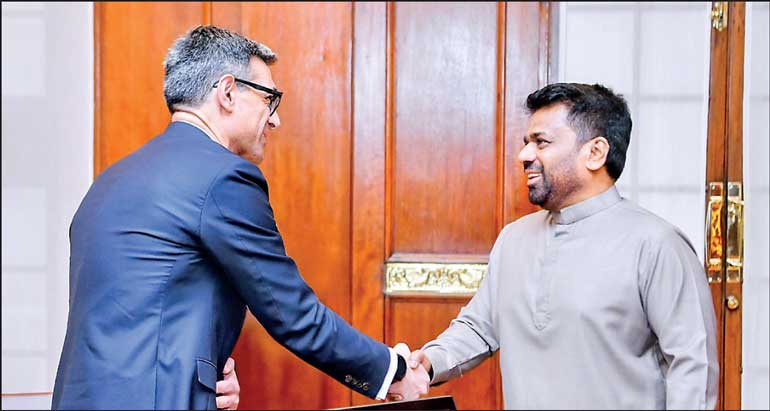
Engagement between Sri Lankan authorities and IMF officials has been extensive, involving key policymakers such as Anura Kumara Dissanayake and Central Bank Governor P. Nandalal Weerasinghe. These discussions reflect the high stakes of the program, which extends beyond immediate financing to long-term economic transformation.