




While the Ceylon Electricity Board (CEB) justifies its proposed tariff hikes as a necessity to bridge a massive revenue deficit, internal data suggests a far more controversial cause. The primary driver of this financial crisis is not the public's consumption of electricity, but a calculated drain of national wealth through "Capacity Charges" paid to private power plants that produce little to no energy.
1. The LTL Connection: A Conflict of Interest at the Core
The epicenter of this crisis is identified as LTL Holdings (formerly Lanka Transformers Limited). The role of its CEO, U.D. Jayawardana, has come under intense scrutiny for what many describe as a classic “Conflict of Interest.”
- The Revolving Door: Mr. Jayawardana is a former high-ranking CEB official. LTL, which was initially a CEB-subsidiary, gradually moved toward private control while remaining deeply entrenched in CEB decision-making.
- The Mafia Allegation: Critics and industry analysts refer to this as the “Power Mafia.” Former officials, now leading private entities, leverage their inside knowledge of the CEB to secure “Take or Pay” agreements. This system ensures that the CEB—and by extension, the taxpayer—remains a captive profit source for private firms.
2. ‘Capacity Charges’: Paying Billions for Silence
The most damaging aspect of these agreements is the Capacity Charge. Under “Take or Pay” terms, the CEB is legally bound to pay private plants for being “available,” even if they do not generate a single unit of electricity.
- The Sobadhanavi Mystery: This 350 MW plant reportedly receives Rs. 1,200 million per month in capacity charges, even during months when its actual contribution to the national grid is zero.
- The Kerawalapitiya Drain: Operating at a mere 15% efficiency (roughly 5 days a month), this 300 MW plant still collects a staggering Rs. 4,225 million monthly.
- The Math of Corruption: For the first quarter of 2026, the CEB claims a deficit of Rs. 13,094 million. However, the capacity charges paid to just these two plants alone total Rs. 7,826 million—covering over 60% of the alleged deficit.
3. Systemic Sabotage of Renewable Energy
Instead of pursuing cheaper, sustainable alternatives, the CEB appears to be actively discouraging the renewable sector to protect thermal power interests:
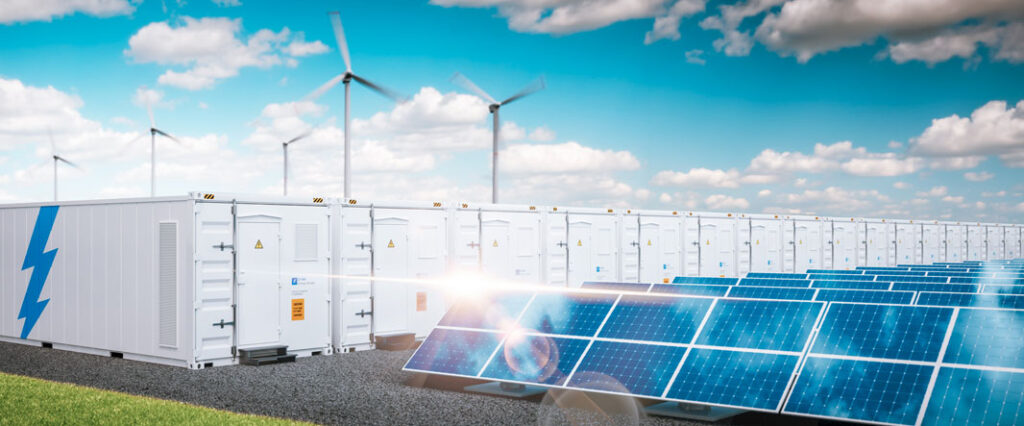
- BESS Sabotage: Battery Energy Storage Systems (BESS) are vital for solar integration. However, the CEB slashed the recommended tariff from Rs. 52.00 to Rs. 45.80, making such projects financially unviable for investors.
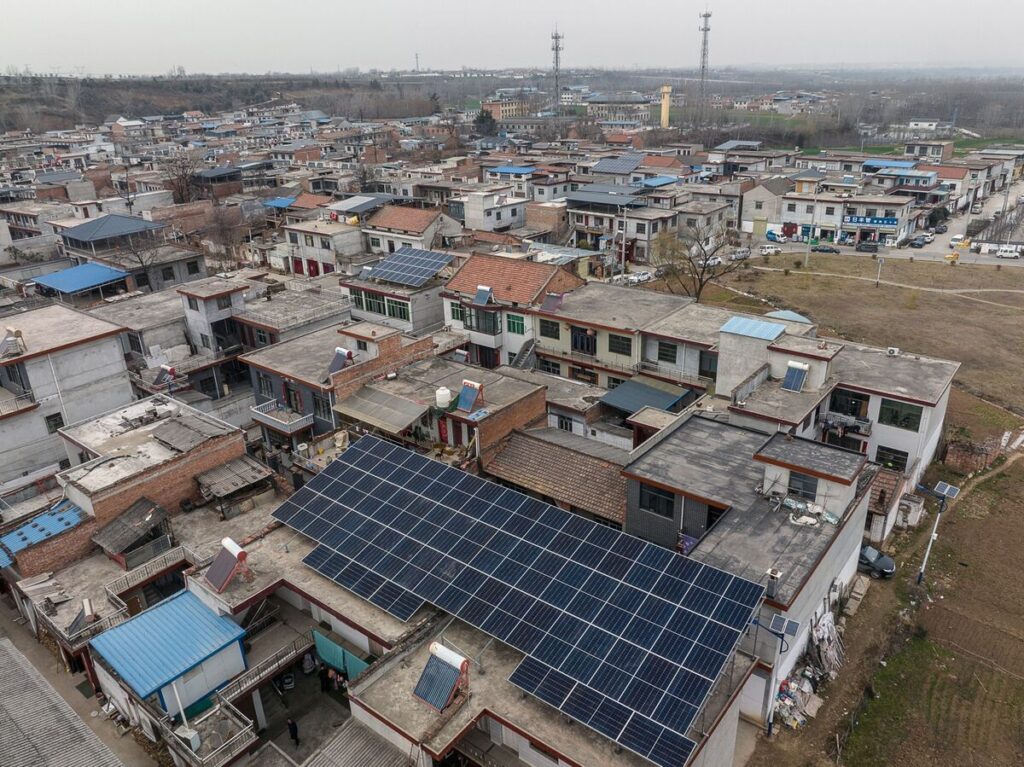
- The Rooftop Solar Blockade: Citing technical grid limitations, the CEB has restricted approvals for household rooftop solar. Even modest 5 kW systems—the lifeline for middle-class consumers—are being blocked, leaving nearly 80,000 potential households in the dark.
4. The Solution: Redirecting the Billions
If the funds wasted on idle private plants were redirected, the energy landscape would transform:
| Redirected Waste | Potential National Benefit |
| Idle LNG Capacity Charges | Development of 200 MW Battery Storage (BESS) |
| Contractual Savings | Adding 400 MW of Solar and approving 80,000 households |
The Sri Lankan electricity consumer is a victim of a two-pronged assault. They are forced to pay record-high bills to subsidize the “idle hours” of private plants, while simultaneously being blocked from installing their own solar solutions.
The government must immediately intervene to audit these lopsided contracts and the incestuous relationship between the CEB and private holders like LTL. If this leakage of public wealth is plugged, electricity tariffs can be significantly reduced, rather than increased.